How can you easily improve your family's daily diet without much hassle? Getting your kids to eat nutrient-packed meals doesn't have to take a lot of work. Just a few simple changes, like buying the right vegetables or substituting condiments, can put them on the road to healthier eating.
1. Make the switch to sweets — potatoes, that is!
Use sweet potatoes in place of standard white potatoes for baked potatoes, oven fries, mashed potatoes, and in soups and stews. While both types are nutritious options that are high in potassium, folate and vitamin C, sweet potatoes offer the added bonus of a gigantic dose of beta-carotene — a potent antioxidant and nutrient critical for healthy vision and skin. Even though sweet potatoes contain more sugar than white potatoes, they actually raise blood sugars less than their white counterparts. Why? Sweet potatoes have more than twice as much fiber as a russet baking potato, and much of it is the soluble type, which helps slow your body’s absorption of sugars from food.
Story continues below ↓advertisement | your ad here
What’s more, kids love their pleasingly sweet taste, so it will be easy to get them on board with the change.
2. Bake better with whole-grain flour
When making cookies, muffins or other treats, replace half of the all-purpose in your recipe with whole-wheat or oat flour. You can safely make this swap without making any other adjustments to the recipe and you’ll benefit from the extra fiber, vitamins and minerals found in whole grains. You can even make your own oat flour at home — just pulse rolled oats in the food processor until they form a fine powder.
To maximize shelf life, store whole-grain flours in the fridge or freezer. Because the oil-rich germ is left intact, whole-grain flours go rancid faster than all-purpose flour.
3. Go dark when you go green
Instead of defaulting to iceberg lettuce — the most common choice for salads and sandwiches — turn over a new leaf and choose darker lettuces like romaine, arugula, escarole, bibb or baby spinach instead. In general, the darker the green, the richer its nutrient profile. A lettuce’s vibrant green color is a good indicator it contains more potassium, beta carotene, folate, fiber and vitamin K than classic iceberg. Even though the difference isn’t always dramatic, it’s a great way to give your diet a healthy nudge in the right direction.
4. Capitalize on condiments!
Choose condiments that add a hit of nutrition, as well as flavor, to sandwiches, wraps, burgers, tacos and baked potatoes. Use hummus in place of mayo as a sandwich spread to add protein and fiber. Or, add a smear of guacamole; the avocado it contains is one of the richest sources of heart-healthy monounsaturated fats. Replace ketchup — which contains mostly sugar and very little in the way of vegetables — with a spoonful of low-sodium salsa or fruit chutney to slightly boost your produce intake. Every little bit helps!
5. Snack smarter … with popcorn!
Make air-popped popcorn your snack food of choice. As a whole-grain snack, it has far more fiber and other nutrients than potato chips, cheese twists or pretzels made with refined white flour. Plus, it’s incredibly voluminous, so it fills you up for a relatively low caloric cost — only about 30 calories per cup for air-popped or “light” microwavable varieties. Of course, dousing popcorn with melted butter easily negates any health advantage by jacking up the calories and saturated fat big time.
To keep it light, flavor plain air-popped with spices (black pepper, Cajun seasoning, chili powder and cumin work well) or dust it with grated Parmesan cheese (your kids will be all over this one).
source:msnbc.com
5 clever ways to boost your family’s nutrition
Mastitis Laktasi

Based on several studies, one of twenty women who are nursing suffering from mastitis. According to some studies also, not a few women who suffer from this disorder more than once.
There are two types of mastitis: infective and non-infective. Infective mastitis caused by germs that enter the ducts in the nipple through the intercession of the mouth or nose while feeding your baby. While non-infective mastitis occurs because such channels are clogged milk or breast-feeding is also due to the wrong position.
The women who breastfeed for the first time tend to be more frequently affected by mastitis. Mastitis can occur at any time during the period of breastfeeding, but most often occur between day 10 and day 28 after birth.
What you need to do if there mastitis?
Soon you consult with your doctor. Your doctor will usually give antibiotics (antibiotics make sure they are safe and has no side effects for your baby). You are also advised to rest and compressing. If treated quickly and appropriately, mastitis will not last long. You also do not need to stop breastfeeding as long as you get mastitis - unless recommended by your doctor.
The best way to avoid mastitis is to rest in a quite, run a healthy eating pattern and set a balanced diet during lactation. If the things you had not noticed, your body will be susceptible to infection, one of whom was mastitis.
Is mastitis would have negative impact to your baby?
Although hurt when attacked by mastitis, this disturbance will not bring negative impact on your baby. Although the germ - the infective mastitis - may come from your mouth, you do not have to worry about the germs that would interfere with your baby.
(Source: 1001 Little About Caring, Illustration: CaritasNorwood.ORG)
Stomach bugs lurk in sand
Kids who burrow in the sand prone to catching icky infections
Kids share their sand castles and beach tunnels with nasty germs including E. coli and Enterococcus.
Beach fun for most kids includes burrowing in the sand and being buried by friends and siblings. Parents figure that as long as the kids are within sight, they’re safe. But a new study shows that some pretty nasty bugs may lurk in those glistening, gleaming grains.
The study, published in the American Journal of Epidemiology, found that digging in the sand raised the risk of diarrhea by 44 percent in young children — those under the age of 11. And kids who were buried in the sand were 27 percent more likely to develop diarrhea than those who weren’t.
Bonnie Shimp, who takes her infant grandson and a friend’s 6-year-old on outings to the Jersey shore, was sorry to hear that beach sand isn’t as benign as she thought. Shimp has many fond childhood memories of digging in the sand and being buried by her brothers.
“This makes you feel like you need to tell your child, ‘Don’t dig in the sand, just walk on it and go into the water,’” says the 53-year-old teacher from Pennsville, N.J. “Now, I would definitely think twice before letting them play in the sand.”
For the new study, researchers interviewed more than 27,000 people who visited seven beaches around the country between 2003 and 2007.
People who took part in the study were asked about their contact and their children’s contact with sand on the day they visited the beach and then, 10 to 12 days later, they were phoned up and asked about any health symptoms that had developed in family members since the visit.
A total of 307, or 6 percent, of the kids developed diarrhea. All of the kids got better on their own and none ended up in a doctor’s office, Heaney says. But even relatively mild cases of diarrhea can spoil the fun for a kid and put a damper on the family's vacation.
The beaches included in the study were all within seven miles of a sewage treatment plant. But that doesn’t necessarily mean that beaches far from such plants are safe, says the study’s lead author Chris Heaney, a researcher at the University of North Carolina at Chapel Hill. The study was conducted in partnership with the Environmental Protection Agency.
Other studies that have examined the bacteria content of sand at a variety of beaches that were nowhere near a treatment plant have found high levels of E. coli and Enterococcus bacteria in the top 8 inches.
Health and Fitness Matter
Health and Fitness Make the Difference Between Living Well and Living
Good health helps us achieve a high quality of life. Fitness makes us want to live it every day. If you agree with these three premises, keep reading.
The Purpose of Health and Fitness Tips
To inform you of new developments in the health and fitness fields is our aim. We'll do the research; we have the resources. You get the results. The name of the game is 'current' and 'relevant' for today. Forget all the excess baggage of the so-called fitness gurus.
Become Healthier and Fitter Faster
While we know you are interested in becoming healthier and fitter or maintaining the health and fitness you have, we also know you have limited time to devote to it. We therefore pledge to you a fast, simple method to hop aboard the fitness fast train. Get on track with the facts.
Health Professionals, Medical Doctors and Health and Fitness Writers and Editors Make Up Our Staff
Our staff experience in the booming Health and Fitness field adds up to more than 100 years. Not that anyone is age 100 or even close, but we all plan to live that long. We want to make sure we have company. So we invite you along for the ride. We'll spur you on and help you over the rough spots to your own fitness destination.
Diet and Exercise are Keys to Healthy Living
But you know all this. So our aim is to give you the shortcuts, the little-known tricks and proven methods to help prevent boredom and hopelessness in your quest for good health. Our high tech world has advanced in the fitness field also. In fact, so fast that we want to get the information out to you yesterday. That's what the Health and Fitness Tips Site is all about…the latest up-to-the-minute-in-the-zone information for your health and fitness.
(source:health-fitness-tips.com)
Make Your Own Natural Beauty Products at Home
Beauty doesn't have to be expensive.
Whether you want to avoid the chemicals in commercial beauty products, save money, or live a greener life, you can create a complete beauty regimen with a few simple, natural ingredients.
The Basics for DIY Beauty Products
Honey, oatmeal, and eggs can be combined with a variety of ingredients to make natural hair products as well as natural skin care treatments.
Honey can Moisturize
The benefits of honey are manifold. The water, carbohydrates, minerals, vitamins and antioxidants that constitute honey make it an ideal hydration choice for both skin and hair.
Have dry skin? Honey is a humectant—it pulls in and helps retain moisture. For even softer skin, add a little whole or powdered milk. When your bath is over, mix some honey with eggs and yogurt and apply liberally for a refreshing mask that will tighten and purify your skin.
Struggling with dry, frizzy hair? Just add a little olive oil to your honey, egg and yogurt mixture, and turn your mask into a conditioner!
Oatmeal Exfoliates
Oatmeal is a natural exfoliant that can help soothe dry, itchy or irritated skin. As a bonus, the beta-glucans found in oatmeal aid in skin firming and regeneration and make oatmeal a perfect ingredient for a cleanser. Just mix with water and powdered milk or brewer’s yeast for a refreshing face wash.
Suffering from sunburn or summer mosquito bites? Add powdered oatmeal to a warm bath and soak in it for some quick relief.
Eggs Cleanse & Strengthen
Eggs are a versatile base for many beauty products, from scrubs to masks to hair conditioners. The lysozymes contained in egg whites fight bacteria and help cleanse skin
What Are the Risk Factors for an Asthma Attack?
Asthma Attack Risk Factors: Some Are Surprising, Others Are Not
A number of different asthma risk factors may increase your chances of developing an asthma attack. Some of the asthma risk factors are avoidable -- such as exposure to smoking and eating certain foods -- while others are not avoidable or modifiable, like family history. Finally, there are also a handful of protective asthma risk factors that decrease your risk of asthma.
Asthma attacks -- or any any acute change in asthma symptoms that interrupt a person's normal routine and require either extra medication or some other intervention to breathe normally again -- are more common among:
* Children 5 years of age and younger
* Adults in their 30s
* Adults over the age of 65
Additional asthma risk factors in both adults and children include:
* A family history of asthma
* A personal history of atopy
* A personal history of allergies
* Exposure to second-hand smoke
* Urban living, especially if there is significant air pollution
* Low levels of vitamin D
* Obesity
* Low birth weight
* Being born in the winter months
* Workplace exposures to chemicals or other substances that may lead to occupational asthma
* Gastroesophageal reflux disease (GERD)
* Sinusitis
* Antibiotic use in the first year of life
* Eating a lot of fast food
* Regular acetaminophen use
While there is nothing you can do about your age or family history, it is important to keep these above things in mind, along with maintaining a healthy weight and avoiding cigarette smoke.
On the other hand, the following things can actually reduce your risk of developing an asthma attack:
* Breastfeeding (lowers your baby's risk of developing asthma)
* Attendance at daycare
* Large family size
* Increased intake of fruits and vegetables
* Community resources such as economic development opportunities
* Eating omega-3 fatty acids found in fish
source:ashtma.about.com
Tips For Parents of Kids With Asthma
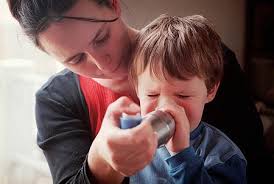
* Responsibility: It is important to increase your child's responsibility as they get older. You cannot be there forever or every minute of every day. By increasing your child's freedom and responsibility in their own self-care, they will hopefully learn to take better care of their own asthma. This freedom and responsibility, however, needs to be tempered by supervision and restrictions as well.
* Difficulty: Some teenagers find it difficult to accept their asthma diagnosis.This can make parental guidance and support both all that much more difficult and important.
* Goal Setting: As your child enters the teenage years, they should actively participate in their asthma management plan. This would include peak flow monitoring, preventive medications, and rescue management. As a parent you should stress the consequences of not managing asthma appropriately. As a parent, you need to step back and let your child take control of their asthma, but be available for communication and intervention if necessary.
* Assume your child is a risk taker: Teenagers frequently stop their asthma medications or take them less frequently than they should. They also will resist monitoring peak flows as you and their doctor would like. Making your child's asthma action plan as simple as possible may help with this.
What to Do if Someone in Your Family Has Had Breast Cancer

"I draw out a family tree for three generations," says M. William Audeh, MD, a medical oncologist who works in cancer risk assessment at Cedars-Sinai Medical Center in Los Angeles. And that means both branches: "Many women assume they should only be concerned about their mother's side of the family, but breast cancer risk can be inherited from either parent," says Dr. Audeh.
The breast cancer gene
Whatever you learn from your own family tree, you may decide to be tested for the BRCA-1 or BRCA-2 gene mutations. Far from every woman who gets breast cancer carries BRCA gene mutations, but those who do have one of the mutations (they’re more common to women of Ashkenazi Jewish descent, for instance, and a recent study suggested that U.S. Hispanic women are also at higher than normal risk) are three to seven times more likely to get the disease than women without alterations in those genes.
2 Women Consider Prophylactic Mastectomy
sara-daly-roter
Removing healthy breasts may be smart for some high-risk women Read more
* Should I Get the BRCA Gene Test?
* What Causes Breast Cancer?
Women with a family history of breast cancer will still need to be extra vigilant.
What You Need to Know About Breast Self-Exams
You know the drill: The breast self-exam (BSE) illustrations on those pamphlets usually show a woman with one arm up over her head, pushing the fingers of her other hand across her breast—in search of a lump or some other sort of change. Your ob-gyn may have talked to you about doing this every month at home, ideally at a time when your breasts don't feel tender or swollen.
BSE controversy
The truth is, even doing regular BSEs (without regular mammograms) may not protect you. A large study conducted in China by researchers from the Fred Hutchinson Cancer Research Center in Seattle made headlines in 2002 by suggesting that women who were taught to do regular BSEs didn't fare any better—or live any longer—than women who were not taught to do them. On average, they didn't find cancer any earlier. Still, many medical experts believe women should familiarize themselves with how their breasts feel.
Have you ever found a lump in a breast self-exam?
Dense breasts
BSEs can be tricky for women with dense breast tissue—which is common for younger women. "Mostly they don't know what they're feeling or are not confident," says Janet Wolter, MD, a medical oncologist and the Brian Piccolo Chair of Breast Cancer Research at Rush University Medical Center in Chicago. "The breast is constructed like an orange or a grapefruit; you'll feel segments, and that's scary, but it's normal."
3 Women Who Found Their Own Breast Cancer
hendy-dayton
"The cancer felt like a Contac pill under my breast" Read more
More about breast cancer screening
* 3 Ways to Spot Breast Cancer
* How to Do a Breast Self-Exam
BSEs as you age
For premenopausal women, "the easiest day to remember to do a BSE is the first day of your cycle, when you get your period," suggests Julia A. Smith, MD, director of the NYU Cancer Institute's breast cancer screening and prevention program and director of the Lynne Cohen breast cancer preventive care program at NYU in New York City. If you feel something, wait two weeks and then do another BSE. The odds are it'll be gone—breast tissue often changes throughout the menstrual cycle, says Dr. Smith. But if the abnormality persists, you should see your doctor.
Older women generally have easier BSEs, because after menopause the tissue gets much softer: "If you put a Ping-Pong ball in there, you'd feel it right away," as Dr. Wolter puts it.